

Flooring plays a major role in a home’s appearance, comfort, and long-term value. Homeowners researching is parquet flooring hardwood are often trying to understand whether this elegant flooring option offers the same benefits as traditional hardwood planks. The answer is yes in many cases, but there are important differences every homeowner should know before making a remodeling decision.
Parquet flooring has been used for centuries and remains a popular choice because of its intricate patterns and timeless appeal. While modern manufacturing methods have introduced new variations, understanding how parquet flooring is constructed will help you determine whether it is the right fit for your home.
What Is Parquet Flooring?
Parquet flooring is a decorative wood flooring style created by arranging small pieces of wood into geometric patterns.
Unlike standard hardwood planks that run in straight rows, parquet pieces are assembled into visually interesting designs.
Popular Patterns Include:
- Herringbone
- Chevron
- Basket weave
- Brick pattern
- Versailles pattern
These designs create unique visual character that distinguishes parquet from traditional flooring.
Is Parquet Flooring Considered Hardwood?
In many cases, yes.
Traditional parquet flooring is manufactured from genuine hardwood species.
Common wood varieties include:
- Oak
- Maple
- Walnut
- Cherry
- Mahogany
However, modern parquet products may also be engineered rather than solid hardwood.
This distinction is important when evaluating durability and maintenance requirements.
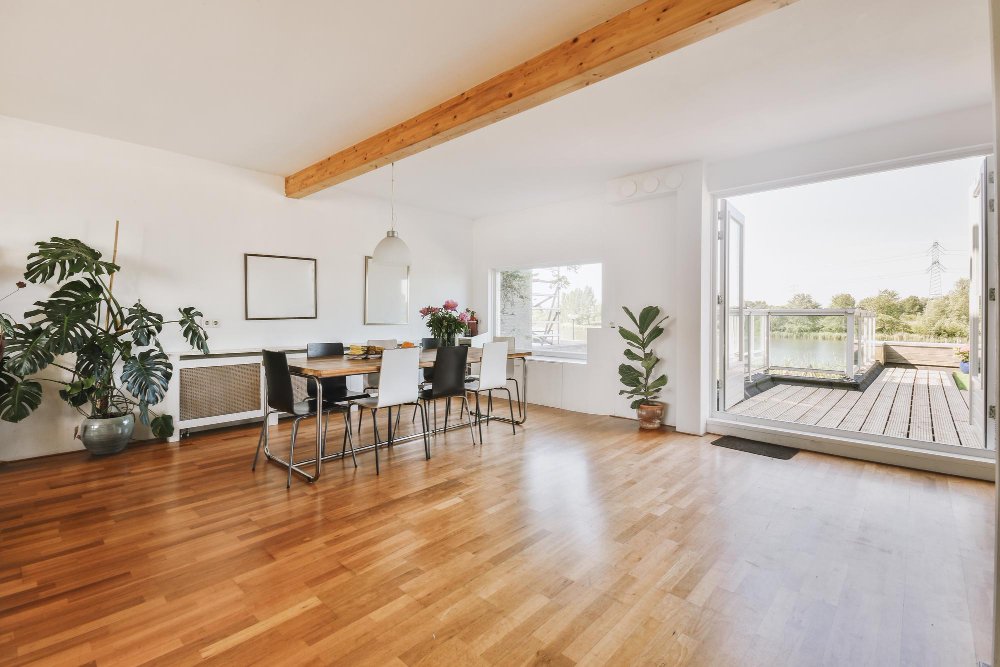
Solid Parquet vs Engineered Parquet
Homeowners evaluating is parquet flooring hardwood should understand the difference between these two options.
Solid Parquet Flooring
- Made entirely from hardwood
- Can be sanded multiple times
- Long lifespan
- Premium appearance
Engineered Parquet Flooring
- Features a hardwood veneer
- Built on layered plywood cores
- Improved dimensional stability
- Lower cost options available
Both offer excellent performance when properly installed.
Advantages of Parquet Flooring
Parquet continues to attract homeowners because of its numerous benefits.
1. Timeless Aesthetic Appeal
Its intricate designs create a luxurious appearance that elevates almost any room.
2. Increased Property Value
Quality wood flooring often appeals to prospective buyers.
3. Design Flexibility
Parquet complements:
- Traditional interiors
- Modern homes
- Contemporary spaces
- Luxury residences
4. Longevity
Properly maintained hardwood floors can last decades.
Potential Drawbacks to Consider
No flooring material is perfect.
Parquet flooring also has limitations.
Common Challenges Include:
- Higher installation costs
- More complex repairs
- Sensitivity to moisture
- Professional installation requirements
Understanding these factors helps homeowners set realistic expectations.
How Durable Is Parquet Flooring?
Durability depends on material quality and maintenance.
High-quality parquet can last 30 to 50 years or longer.
Factors That Influence Lifespan:
- Wood species selection
- Traffic levels
- Humidity conditions
- Maintenance habits
Routine care dramatically extends longevity.
How to Maintain Parquet Flooring
Proper care protects your investment.
Weekly Maintenance Tips
- Sweep regularly
- Use microfiber mops
- Clean spills immediately
- Avoid standing water
Avoid Using:
- Steam cleaners
- Excessive moisture
- Abrasive pads
- Harsh chemicals
Gentle cleaning preserves the finish.
Best Rooms for Parquet Flooring
Some areas perform better than others.
Ideal Locations Include:
- Living rooms
- Dining rooms
- Bedrooms
- Home offices
Avoid installation in:
- Bathrooms
- Laundry rooms
- Areas with frequent standing water
Moisture exposure can damage wood fibers.
Parquet Flooring vs Traditional Hardwood
Parquet Advantages
- Unique patterns
- Luxury appearance
- Architectural interest
Traditional Hardwood Advantages
- Simpler installation
- Easier repairs
- Broader product availability
Your design preferences will heavily influence the decision.
How Parquet Flooring Impacts Home Value
Flooring upgrades consistently provide strong returns.
Benefits may include:
- Enhanced visual appeal
- Higher resale potential
- Improved buyer interest
- Timeless elegance
Buyers often associate hardwood flooring with quality craftsmanship.
Professional Installation Is Highly Recommended
Parquet layouts require precision.
Professional installers ensure:
- Accurate pattern alignment
- Proper subfloor preparation
- Correct expansion spacing
- Long-term stability
Even small mistakes can affect appearance.
Homeowners exploring parquet hardwood flooring options frequently discover that expert installation greatly improves final results.
Questions Homeowners Should Ask
- Do I prefer decorative patterns?
- What is my flooring budget?
- How much maintenance am I willing to perform?
- Will this flooring match my home’s style?
- Which rooms will receive the upgrade?
Answering these questions helps narrow your choices.
Understanding is parquet flooring hardwood helps homeowners make more informed remodeling decisions. Traditional parquet is indeed hardwood, although engineered versions also exist.
Its timeless beauty, luxurious appearance, and long lifespan make it a valuable flooring option for many homes.
By understanding construction methods, maintenance requirements, and installation considerations, homeowners can confidently determine whether is parquet flooring hardwood aligns with their lifestyle and design goals.