
It started with something easy to ignore.
After another rainy spring, the homeowner noticed a few small areas where the exterior paint had begun to peel. At first, it seemed like nothing more than normal wear. A little sanding, a fresh coat of paint, and the house would look new again—or so they thought.
But as the weeks passed, more signs appeared. A few boards looked slightly warped. Small gaps became visible near the corners of the house. During windy evenings, certain rooms even felt draftier than usual. What initially seemed like a simple maintenance project slowly revealed a much larger story hidden beneath the surface.
Instead of buying paint, the homeowner called a remodeling contractor for an inspection.
“Sometimes the best remodeling decisions begin with problems we never expected to solve.”
That conversation introduced a term the homeowner had heard many times but never truly understood: lap siding.
It was a reminder that every home has its own language. Sometimes, learning a single new term changes the way you see the entire house.
Discovering What Was Really Wrong
The inspection began where most homeowners rarely look. Instead of focusing on peeling paint alone, the contractor carefully examined the joints between the siding boards, the trim surrounding windows, and the areas most exposed to years of sun and rain.
Although much of the exterior still looked attractive from the street, several sections had begun allowing moisture to reach the layers beneath the finished surface. Fortunately, the damage had been discovered early enough that widespread structural repairs would not be necessary.
As they walked around the home together, the contractor explained that the existing exterior used a traditional lap siding design.
“What exactly is lap siding?” the homeowner asked.
The answer was surprisingly simple.
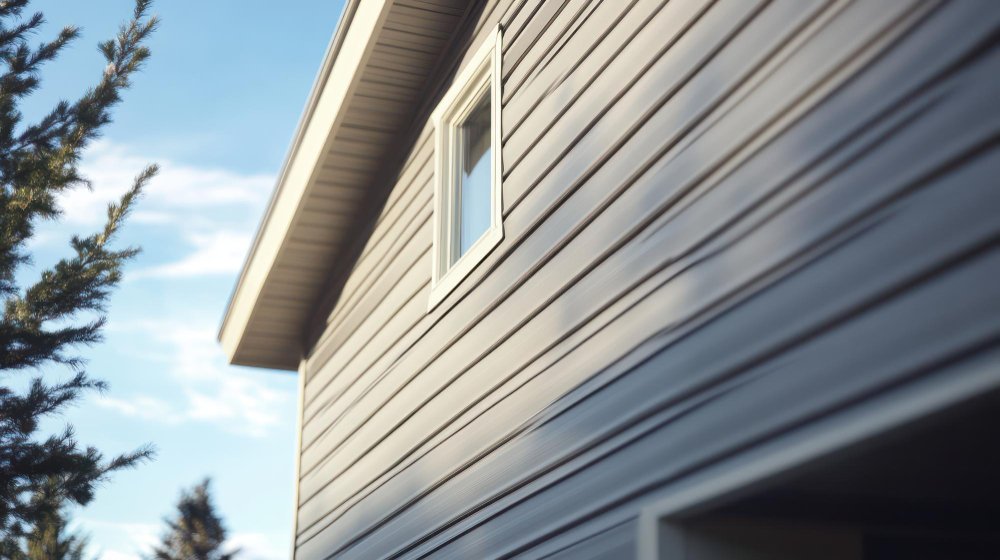
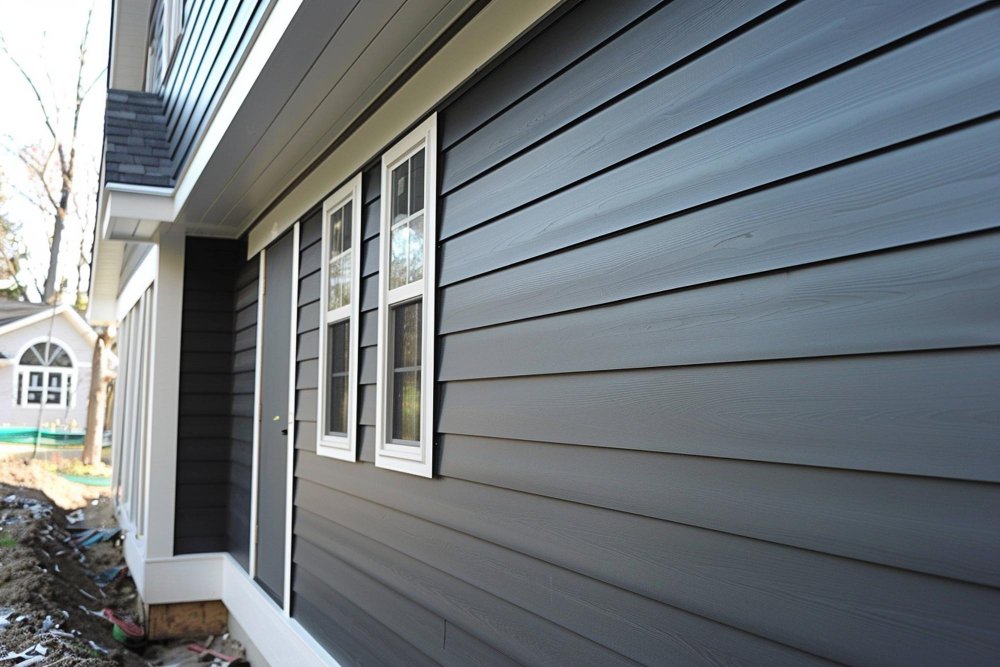
Lap siding consists of long horizontal boards installed so that each board slightly overlaps the one beneath it. This overlapping pattern creates a natural pathway for rainwater to flow downward instead of penetrating behind the exterior cladding. It’s a design that has protected homes for generations because it combines practical weather resistance with timeless architectural appeal.
Sometimes the most effective building techniques aren’t the newest—they’re the ones that have quietly proven themselves over decades.
The contractor went on to explain that modern lap siding is available in several different materials, each offering its own balance of appearance, durability, and maintenance.
Today’s homeowners commonly choose from:
- Fiber cement lap siding for exceptional durability and weather resistance.
- Vinyl lap siding for low maintenance and affordability.
- Engineered wood lap siding for the warmth of natural wood with improved performance.
- Traditional wood lap siding for timeless character and architectural authenticity.
Each material follows the same basic principle: overlapping horizontal boards that help shed water while creating the distinctive shadow lines that give many homes their classic appearance.
The homeowner had always assumed those horizontal boards were chosen primarily for style. Learning that every overlapping course also served an important functional purpose completely changed that perspective.
The inspection continued, revealing how proper installation mattered just as much as the material itself. Flashing around windows, carefully sealed joints, and adequate ventilation all worked together with the lap siding to create an exterior capable of standing up to changing weather year after year.
It became clear that siding was never intended to work alone. Every component supported the next, creating a complete system rather than a collection of individual materials.
By the end of the inspection, the homeowner was no longer asking whether the siding needed attention. Instead, the conversation had shifted toward understanding which type of lap siding would provide the best combination of beauty, protection, and long-term value for the home’s next chapter.
Seeing the Home in a New Way
The days that followed were filled with conversations about colors, textures, and materials, but the homeowner noticed something unexpected. The discussion was no longer centered on repairing damaged boards. Instead, it had become a conversation about how the entire house could feel stronger, more beautiful, and easier to maintain for years to come.
Samples of fiber cement, engineered wood, vinyl, and traditional wood lap siding were placed side by side. At first glance, the differences appeared subtle. Yet as each option was explained, it became clear that the decision involved much more than appearance.
Fiber cement offered remarkable resistance to moisture, insects, and changing weather. Engineered wood captured the warmth of natural timber while requiring less maintenance than traditional wood. Vinyl provided an affordable, low-maintenance solution, while genuine wood continued to appeal for its timeless craftsmanship and authentic character.
Choosing a siding material wasn’t about finding the “best” product. It was about discovering which one best reflected the home’s architecture and the family’s priorities.
Once the decision had been made, the transformation began.
The old siding was carefully removed, revealing portions of the wall that had remained hidden for decades. Every section of sheathing was inspected, weather barriers were upgraded where needed, and flashing around windows and doors was carefully installed before the first new siding board ever touched the house.
Watching the installation unfold gave the homeowner a new appreciation for the craftsmanship involved. Each course of lap siding aligned precisely with the one below it. Every overlapping board reinforced the home’s ability to direct water away from the structure while creating the crisp horizontal shadow lines that had always attracted attention without revealing how much work they were actually performing.
“The right exterior doesn’t simply protect a home—it changes the way you feel every time you arrive.”
As the final sections were completed, the difference became immediately apparent. The home looked refreshed without appearing dramatically different. Its original character remained intact, but every line looked sharper, every transition cleaner, and every architectural detail more intentional.
The best renovations rarely erase a home’s history. Instead, they allow its strongest qualities to become even more visible.
Looking Back on the Transformation
Several months later, the homeowner realized that the greatest improvements were no longer the ones visible from the street.
Heavy rainstorms passed without concern. Seasonal maintenance became noticeably simpler. Drafts that once appeared near exterior walls had diminished, and the house felt more comfortable throughout the changing seasons. While improved insulation and weather protection certainly contributed, there was also a quieter benefit that was harder to measure—a renewed confidence in the home’s ability to withstand whatever the weather might bring.
True value often reveals itself slowly, through years of dependable performance rather than a single dramatic moment.
Looking back, the homeowner smiled at how the project had started. A few peeling paint chips had seemed like the problem. In reality, they had been an invitation to understand the home more deeply.
Learning what lap siding is became far more than a lesson about overlapping horizontal boards. It revealed how thoughtful exterior design combines engineering and aesthetics into a single system. Every board sheds water, protects the structure beneath, and contributes to the timeless appearance that has made lap siding one of the most enduring choices in residential architecture.
The experience also reinforced an important lesson for future remodeling projects: materials matter, but proper installation matters just as much. Weather barriers, flashing, ventilation, and careful craftsmanship all work together to create an exterior capable of protecting the home for decades.
Today, each time the homeowner pulls into the driveway, the house feels both familiar and renewed. Its appearance reflects timeless design, while its performance provides peace of mind that extends well beyond curb appeal.
In the end, understanding what lap siding is made the remodeling decision remarkably clear. What began as a simple repair evolved into a thoughtful investment that strengthened the home’s durability, enhanced its architectural character, reduced future maintenance, and ensured that every overlapping board would continue protecting the family for many years to come.